12 Proven Health Benefits of Pumpkin Seeds: Nutritional Density and Clinical Science
12 Proven Health Benefits of Pumpkin Seeds: Nutritional Density and Clinical Science
Evidence-Based Nutritional Medicine | Reading Time: 10 Mins

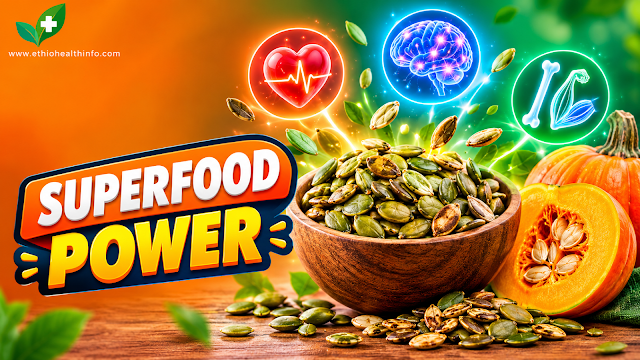
In preventive nutritional science, tiny edible seeds frequently deliver the most concentrated concentrations of vital bioactive compounds. Pumpkin seeds—scientifically referred to as pepitas—exemplify this phenomenon. Far from being agricultural byproducts discarded during seasonal cooking, these dense kernels represent nutritional powerhouses packed with lipid-soluble vitamins, macro-minerals, plant proteins, and potent polyphenolic antioxidants capable of modulating metabolic and cardiovascular systems.
Macronutrient and Micronutrient Profile per Ounce (28g)
A single standard one-ounce serving of dried pumpkin seeds delivers approximately 150 kilocalories, 7 grams of bioavailable plant-derived protein, 13 grams of healthy lipids (primarily monounsaturated and polyunsaturated fatty acids), 1.7 grams of dietary fiber, and over 35% of the daily recommended intake for magnesium, alongside rich stores of zinc, iron, copper, and phosphorus.
12 Clinically Supported Health Benefits of Pumpkin Seeds
1. Cardiovascular and Endothelial Protection
Cardiovascular health is strictly governed by lipid management and vascular tone. Pumpkin seeds provide dense stores of magnesium, potassium, and unsaturated fatty acids that work synergistically. Magnesium promotes smooth muscle relaxation in arterial walls, normalizing systemic blood pressure, while plant sterols decrease circulating low-density lipoprotein (LDL) cholesterol, preventing atheromatous plaque progression.
2. Complete Plant-Based Protein Synthesis
For individuals seeking plant-based nutrition, obtaining quality essential amino acids is critical. Pumpkin seeds offer an exceptional amino acid spectrum essential for cellular tissue repair, enzymatic synthesis, and skeletal muscle hypertrophy. In addition, their high satiety index blunt postprandial spikes in ghrelin, the primary hunger hormone.
3. Enhancement of Bone Mineral Density
While calcium frequently dominates skeletal discussions, bone matrix mineralization requires adequate magnesium and phosphorus. Magnesium plays an indispensable structural role in bone crystal formation and regulates osteoclast activity. Regular consumption of pumpkin seeds provides the necessary mineral architecture to mitigate progressive osteoporosis.
4. Neurological Optimization and Cognitive Acuity
The central nervous system depends heavily on micronutrients to govern neurochemical signaling. Pumpkin seeds supply zinc and magnesium—two critical neuromodulators. Zinc regulates synaptic plasticity essential for learning and memory retention, while magnesium dampens excitotoxicity in neural pathways, fostering balanced cognitive performance.
5. Zinc-Driven Immune Modulation
Pepitas represent one of the richest whole-food sources of dietary zinc. Zinc is a mandatory cofactor for hundreds of enzymatic reactions and is essential for the maturation and proliferation of T-lymphocytes and natural killer (NK) cells. Maintaining optimal zinc levels fortifies resistance against opportunistic upper respiratory infections.
6. Hematopoiesis and Anemia Prevention
Optimal oxygen delivery across peripheral tissues requires sufficient hemoglobin synthesis. Pumpkin seeds furnish notable amounts of non-heme iron. When combined with dietary ascorbic acid (Vitamin C), these iron reserves support healthy erythropoiesis, counteracting chronic fatigue associated with iron-deficiency anemia.
7. Sleep Architecture via L-Tryptophan and Magnesium
For individuals struggling with sleep fragmentation or insomnia, pumpkin seeds offer natural neurochemical precursors. They contain L-tryptophan, an essential amino acid converted via enzymatic hydroxylation into serotonin and subsequently into melatonin, the master hormone of circadian rhythms. Concurrently, magnesium activates gamma-aminobutyric acid (GABA) receptors, facilitating restorative slow-wave sleep.
8. Gastrointestinal Microbiome Support
When consumed with their fibrous hulls intact, pumpkin seeds deliver significant soluble and insoluble dietary fiber. Insoluble fiber increases fecal bulk and stimulates peristalsis, eliminating chronic constipation. Soluble fractions act as prebiotic substrates, nourishing short-chain fatty acid (SCFA)-producing bacteria in the large intestine.
9. Glycemic Regulation and Insulin Sensitivity
With minimal simple carbohydrates and abundant protein, fats, and minerals, pumpkin seeds exhibit a very low glycemic index. Clinical trials link adequate magnesium intake with significantly lower incidence of Type 2 diabetes. Magnesium facilitates post-receptor insulin signaling, assisting cells in efficient glucose uptake from the bloodstream.
10. Cellular Protection via Polyphenols and Tocopherols
Free radicals generated by metabolic processes and environmental toxins induce lipid peroxidation and systemic cellular damage. Pumpkin seeds contain significant concentrations of carotenoids, flavonoids, and multiple isomers of Vitamin E (tocopherols). These antioxidants scavenge reactive oxygen species, downregulating systemic inflammatory cascades.
11. Neuromuscular Tone and Electrolyte Balance
Muscle cramping, twitches, and cardiac palpitations frequently indicate electrolyte imbalances. By providing bioavailable magnesium and potassium, pumpkin seeds restore intracellular and extracellular electrical gradients, allowing proper action potentials across muscle fibers and peripheral nerves.
12. Sustainable Weight Management
The tripartite combination of dietary protein, complex fiber, and healthy monounsaturated lipids creates prolonged mechanical and chemical satiety signals in the stomach. Incorporating controlled portions of pepitas curtails cravings for processed sweets, aiding in steady visceral fat reduction.
Special Clinical Note: Prostate and Urological Health in Men
Epidemiological studies indicate that pumpkin seeds and their extracted lipids inhibit 5-alpha-reductase, an enzyme that converts testosterone into dihydrotestosterone (DHT). Elevated DHT is a primary driver of benign prostatic hyperplasia (BPH). Regular intake of pumpkin seeds supports normal urological flow and prostatic wellness.
Culinary Applications and Dietary Integration
- Lightly Roasted Snack: Dry roast raw seeds over low heat without hydrogenated oils for a crunchy nutrient boost.
- Salad and Soup Garnish: Sprinkle over Mediterranean leafy salads or warm vegetable purées for added texture.
- Breakfast Bowls: Fold into raw oats, chia seed puddings, or Greek yogurt.
- Nutrient-Dense Smoothies: Blend one tablespoon into fruit or vegetable smoothies for clean lipid fortification.
⚠️ Precautions and Recommended Serving Size
Because pumpkin seeds are calorie-dense, a standard daily portion of one small handful (approximately 28–30 grams) is recommended. Choose unsalted or raw varieties to avoid excessive sodium intake. Individuals with known allergies to seeds should exercise caution.