20 Dermatologist-Approved Secrets for Healthier, Stronger Hair
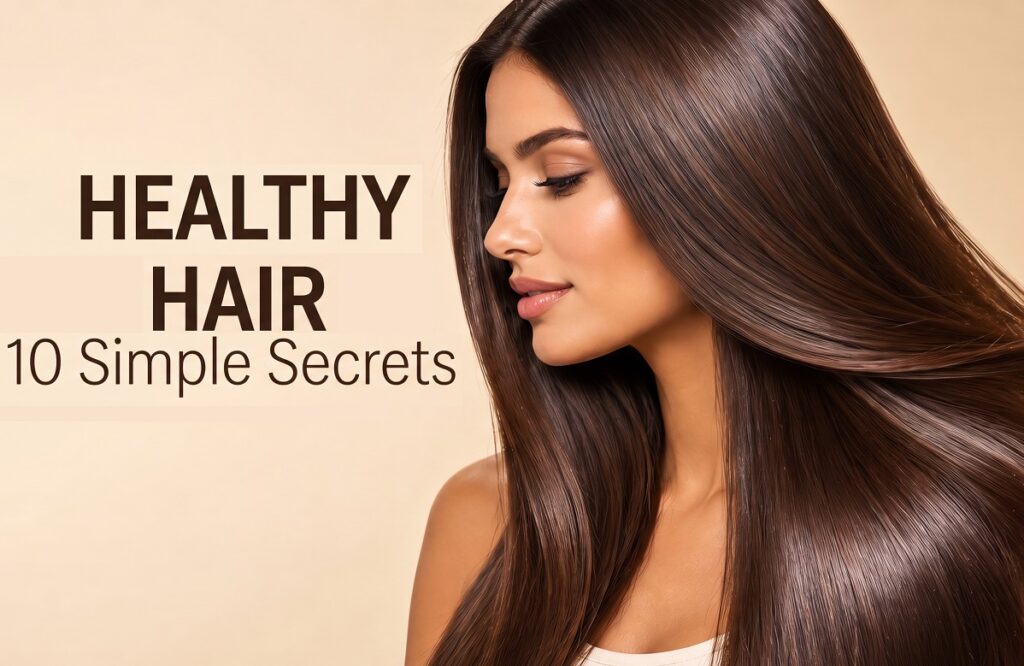
20 Dermatologist-Approved Secrets for Healthier, Stronger Hair: Everyday Habits That Work
Achieving lustrous, resilient, and thick hair does not require luxury salon treatments or expensive chemical procedures. Often, the most profound transformations come from understanding basic hair biology and refining your daily washing, styling, and drying routines.
Executive Summary & Scientific Takeaways
- Hair shafts are made of non-living keratin proteins; protecting the outer cuticle layer is the only way to retain shine and elasticity.
- Washing should prioritize sebum removal at the scalp rather than aggressively scrubbing the hair strands.
- Wet hair swells and loses up to 30% of its tensile strength, making it vulnerable to mechanical breakage.
- Consistent micro-habits—such as wide-tooth detangling and thermal shielding—prevent chronic traction and weathering alopecia.
The Biological Foundation of Hair Architecture
Human hair is primarily composed of a fibrous, structural protein known as keratin. Each hair strand consists of three distinct anatomical layers: the innermost core (medulla), the middle bulk providing strength and pigment (cortex), and the outer protective shingle-like layer (cuticle). When hair looks dull, frizzy, or prone to snapping, it is almost invariably the result of a disrupted, weathered cuticle.
Unlike skin cells, the visible hair fiber has no living cells or metabolic capacity to repair itself once damaged. Every chemical treatment, thermal tool application, and vigorous brushing cycle chips away at the lipid coating (18-methyl eicosanoic acid) that keeps moisture locked within the shaft. Adopting evidence-based daily hair preservation techniques helps you retain density, preserve the strand core, and stimulate root microcirculation.
10 Essential Hair Care Protocols (Part One)
1. Choose the Right Shampoo for Your Scalp Ecology
Cleansing formulations should be chosen strictly according to your scalp type rather than the tips of your hair. A scalp producing high amounts of sebum requires clarifying or balancing surfactants, while dry or sensitive scalps benefit from sulfate-free, mild glucoside-based cleansers. Cleansers that strip your scalp completely trigger rebound oil production, disrupting the healthy scalp microbiome and weakening hair anchor sites.
2. Concentrate Cleanser on the Scalp, Not the Shaft
When applying shampoo, massage it directly onto the scalp tissue using your soft fingertips—never your fingernails. The friction should stimulate blood circulation to the follicle dermal papilla. Avoid bundling your hair ends onto the crown and scrubbing vigorously; the soapy rinse water that flows through the lengths during rinsing is more than adequate to remove environmental dust without causing friction damage.
3. Never Skip Conditioning Agents
Conditioners are formulated with positively charged (cationic) surfactants and emollient lipids. Because damaged hair surfaces carry a negative electrostatic charge, conditioners bind electrostatically to the cuticle tiles, sealing them flat. This process restores hydrophobic defense, minimizes comb drag, neutralizes static flyaways, and traps essential hydration inside the cortex.
4. Handle Wet Hair with Extreme Delicacy
Water penetrates the hair shaft, breaking weak hydrogen bonds and temporarily loosening the keratin structure. As a result, wet hair stretches significantly more than dry hair and snaps under minimal tension. Switch to a wide-tooth seamless comb or a flexible detangling brush, and gently remove tangles beginning at the bottom tips before progressively working upward toward the roots.
5. Curtail Excessive Direct Heat Exposure
Frequent reliance on blow-dryers, curling irons, and straightening flatirons exposes hair keratin to temps exceeding 180°C (356°F). Extreme heat instantly vaporizes intrinsic structural water inside the hair cortex, causing microscopic structural bubble cavities (known clinically as bubble hair). Restrict thermal styling to once or twice a week, and always select the lowest functional heat setting.
6. Apply Silicone or Polymer-Based Heat Protectants
Never place a heated plate onto raw hair. Commercial heat-protectant sprays and leave-in serums utilize silicones (like dimethicone or cyclomethicone) and film-forming polymers that distribute thermal conduction evenly across the shaft. This barrier reduces internal protein degradation and delays heat transfer, safeguarding the fragile cuticular scale edges.
7. Steer Clear of High-Tension Hairstyles
Extremely tight buns, high ponytails, tightly wound dreadlocks, and cornrows place sustained mechanical pull on the follicular bulb. Prolonged tension leads to inflammation around the root sheath, culminating in a medical condition called traction alopecia. Rotate hairstyles regularly, use fabric-covered silk scrunchies, and ensure protective styles are installed loosely.
8. Avoid Chemical Over-Processing
Bleaching, permanent oxidative dyes, relaxers, and chemical perms work by breaking disulphide cystine bonds within the cortex. Repeating these chemical procedures across the entire length rather than focusing strictly on root touch-ups leads to severe cuticle degradation, leaving the hair brittle, highly porous, and prone to severe mid-shaft breakage.
9. Defend Against Ultraviolet Radiation
Solar radiation generates free radicals and induces photolytic breakdown of amino acids (specifically cystine and methionine) in the hair shaft. Prolonged sun exposure bleaches hair pigments, compromises structural tensile strength, and parches moisture reserves. When spending extended hours outdoors, shield your scalp with broad-brimmed hats or UV-filtering hair mists.
10. Trim Damaged Ends Periodically
Trichoptilosis, commonly known as split ends, occurs when the distal tip of the shaft loses its protective cuticle and unravels. While trimming does not accelerate the speed of follicle growth at the scalp, snipping split ends every 8 to 12 weeks stops vertical fissures from traveling up the shaft, keeping the hair perimeter thick and preventing unnecessary volume loss.
Hair Care Best Practices vs. High-Risk Habits
| Routine Stage | Dermatologist-Approved Practice | High-Risk Mistake to Avoid |
|---|---|---|
| Washing | Massaging scalp skin gently with fingertips | Piling hair on top of head and scrubbing ends |
| Conditioning | Applying mid-shaft to tips after squeezing out water | Skipping conditioner entirely or applying heavy waxes directly to scalp |
| Drying | Patting with microfiber towel or soft cotton cloth | Rough towel-rubbing and immediate high-heat blow-drying |
| Detangling | Wide-toothed combing starting gently from ends | Raking dense paddle brushes from root downward on soaked hair |
| Daily Styling | Loose updos, low ponytails, and silk scrunchies | Slicked-back tight buns secured with exposed rubber bands |
Stay Tuned for Part Two!
In Part Two of our comprehensive hair restoration series, we explore the internal biology of follicle growth: nutritional deficiencies (iron, zinc, biotin), internal scalp microcirculation therapies, optimal sleep hygiene, and specialized natural oils that actively encourage hair retention. Don’t forget to bookmark our website and subscribe for updates!