Electrolytes: 7 Nutrient-Dense Foods That Restore Fluid Balance and Prevent Deficiencies
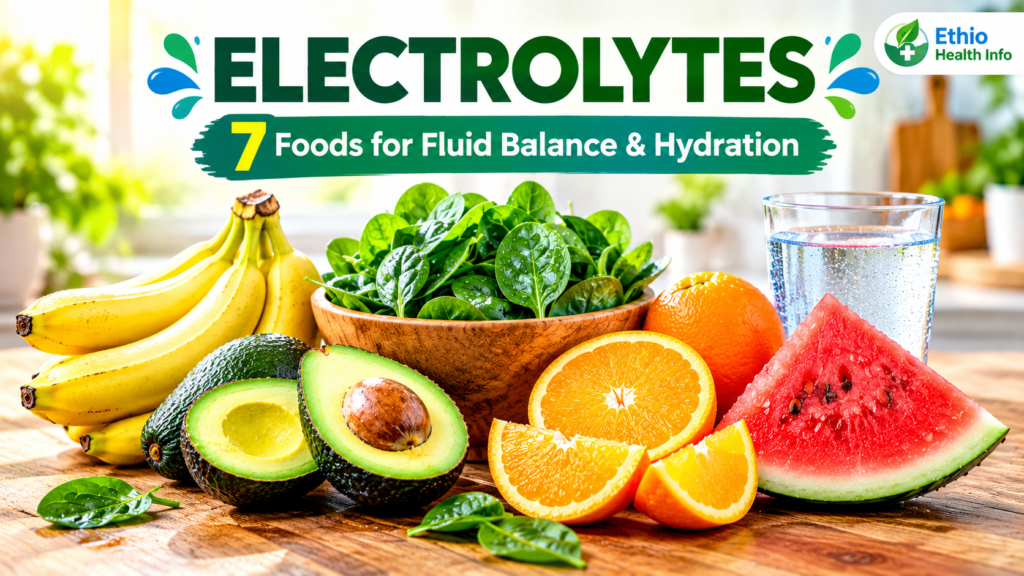
Clinical Overview: Achieving optimal hydration requires much more than simply drinking plain water. Essential electrolytes—including sodium, potassium, magnesium, and calcium—conduct cellular electrical charges that regulate fluid dynamics, sustain neuromuscular transmission, and ensure regular cardiac contractions. Learn how incorporating whole, electrolyte-dense foods restores systemic equilibrium naturally.
What Are Electrolytes and Why Does the Body Require Them?
Electrolytes are essential minerals present in bodily fluids that carry an electric charge. They play a critical biological role in maintaining internal homeostasis. Within clinical physiology, their primary responsibilities include:
- Regulating Intracellular and Extracellular Fluid Volume: Maintaining cellular osmotic gradients so cells neither shrink nor swell excessively.
- Neuromuscular Activation: Triggering muscle contractions—most critically within cardiac tissue—and transmitting nerve impulses across synaptic junctions.
- Balancing Blood pH: Maintaining systemic acid-base equilibrium within a tightly regulated physiological range (7.35 to 7.45).
During intense physical exertion, prolonged heat exposure, profuse sweating, or acute episodes of gastrointestinal distress (such as vomiting or diarrhea), the body rapidly loses both free water and vital dissolved minerals. If left uncorrected, acute electrolyte depletion precipitates persistent fatigue, cognitive haze, dizziness, and involuntary muscle cramping.
7 Science-Backed, Electrolyte-Rich Foods to Restore Vital Minerals
While synthetic sports drinks and over-the-counter tablets are widely marketed, whole dietary sources deliver bioavailable minerals along with vital cofactors, dietary fiber, and protective antioxidants.
1. Bananas (Rich in Potassium)
Bananas serve as one of the most accessible sources of dietary potassium. Potassium acts as the primary intracellular cation, opposing excess intracellular sodium to regulate healthy vascular pressure and prevent post-exercise skeletal muscle spasms. Consuming a medium banana provides roughly 400–450 mg of readily absorbable potassium.
2. Plain Greek Yogurt (Rich in Calcium and Potassium)
High-quality fermented dairy provides an optimal balance of bioavailable calcium and potassium. Calcium is foundational for sustained skeletal integrity, neurotransmitter release, and coordinated muscle contractions. Furthermore, unflavored Greek yogurt delivers substantial dietary protein and live probiotic cultures that support gastrointestinal barrier health.
3. Avocados (Packed with Potassium and Magnesium)
Avocados frequently outshine bananas in sheer mineral density, yielding upwards of 700 mg of potassium per whole fruit alongside meaningful quantities of magnesium. Magnesium serves as an enzymatic cofactor in over 300 biochemical reactions, notably ATP synthesis and neuromuscular relaxation. The monounsaturated fats in avocados also optimize the assimilation of fat-soluble vitamins.
4. Dark Leafy Greens: Spinach (Magnesium, Potassium, and Calcium)
Dark leafy greens like spinach offer a comprehensive mineral spectrum. Cooking or lightly steaming spinach reduces oxalates, significantly enhancing the bioavailability of its magnesium, potassium, and calcium content. Incorporating sautéed greens into omelets, curries, or broths delivers sustained cellular nourishment.
5. Oranges (Potassium and Cellular Hydration)
Fresh whole oranges furnish abundant potassium paired with intrinsic structured water, bioflavonoids, and vitamin C. Eating the whole fruit rather than strained juice moderates glycemic absorption through intact plant fiber while actively restoring systemic hydration and combating oxidative stress.
6. Legumes: Beans and Lentils (Potassium and Magnesium)
Legumes are economical, mineral-rich nutritional powerhouses. Black beans, kidney beans, and brown lentils contribute substantial amounts of potassium, magnesium, and plant-based protein. The soluble fiber in cooked lentils supports sustained digestion, preventing sudden blood sugar swings that compound metabolic fatigue.
7. Watermelon (Electrolyte-Rich Hydration and L-Citrulline)
Composed of more than 91% water, watermelon represents a premier natural rehydration food. Alongside a notable dose of potassium, watermelon features L-citrulline, an amino acid shown to support nitric oxide synthesis, peripheral blood flow, and post-workout muscular recovery.
Electrolyte Food Comparison & Mineral Profile
| Nutrient Source | Key Electrolytes Provided | Primary Functional Benefit |
|---|---|---|
| Bananas | Potassium | Rapid energy replenishment & spasm prevention |
| Plain Greek Yogurt | Calcium, Potassium | Skeletal support & microbiome maintenance |
| Avocados | Potassium, Magnesium | Cardiovascular support & nerve relaxation |
| Spinach | Magnesium, Calcium, Potassium | Broad cellular protection & enzymatic function |
| Watermelon | Potassium, Intrinsic Water | Acute thermal recovery & vascular circulation |
Evidence-Based Guidelines for Maintaining Daily Balance
- Sip Water Consistently: Avoid consuming massive volumes of plain water in short windows, which can paradoxically dilute serum sodium levels (hyponatremia). Hydrate steadily across the day.
- Emphasize Whole Food Diversity: Rely on vibrant produce, legumes, and unrefined grains rather than processed, sodium-heavy convenience foods.
- Replenish During Acute Fluid Loss: If recovering from intense endurance sports or acute gastrointestinal illness, utilize oral rehydration salts (ORS) containing physiological ratios of clean glucose and salts.
- Exercise Prudence with Supplements: Do not consume high-dose potassium or mineral supplements indiscriminately. Patients diagnosed with renal insufficiency or underlying cardiovascular conditions must restrict specific electrolytes under physician guidance.
🚨 Clinical Alert: When to Seek Immediate Medical Evaluation
Severe electrolyte disturbances can rapidly become life-threatening. If you or someone in your care experiences unexplained confusion, profound lethargy, persistent syncope (fainting), irregular heart palpitation, or severe refractory vomiting, seek emergency medical attention without delay.
Medical Disclaimer: The nutritional insights and educational material provided here are strictly for informational and health-literacy purposes. They do not constitute formal medical diagnosis, treatment protocols, or individualized dietary prescription. Always consult a qualified physician or licensed healthcare provider regarding any clinical symptoms or chronic metabolic conditions.
Peer-Reviewed References & Authoritative Sources:
- Harvard T.H. Chan School of Public Health — The Nutrition Source
- National Institutes of Health (NIH) — Dietary Supplements & Mineral Facts
- MedlinePlus (U.S. National Library of Medicine) — Fluid and Electrolyte Balance
- National Health Service (NHS) — Clinical Guidance on Dehydration
- World Health Organization (WHO) — Oral Rehydration Protocols